



The Rundown
- SEO and PPC strategies use organic and paid data to make search demand easier to measure.
- SEO and paid search work best when keyword research, landing pages, and conversion tracking share one revenue goal.
- SEO and PPC campaigns should separate channel credit from business impact, especially when branded searches, remarketing, and assisted conversions overlap.
- Paid search gives fast testing data, while SEO builds durable visibility across informational, commercial, and transactional queries.
- Coalition Technologies syncs organic search and paid media around qualified traffic, conversion rate, cost efficiency, and long-term growth.
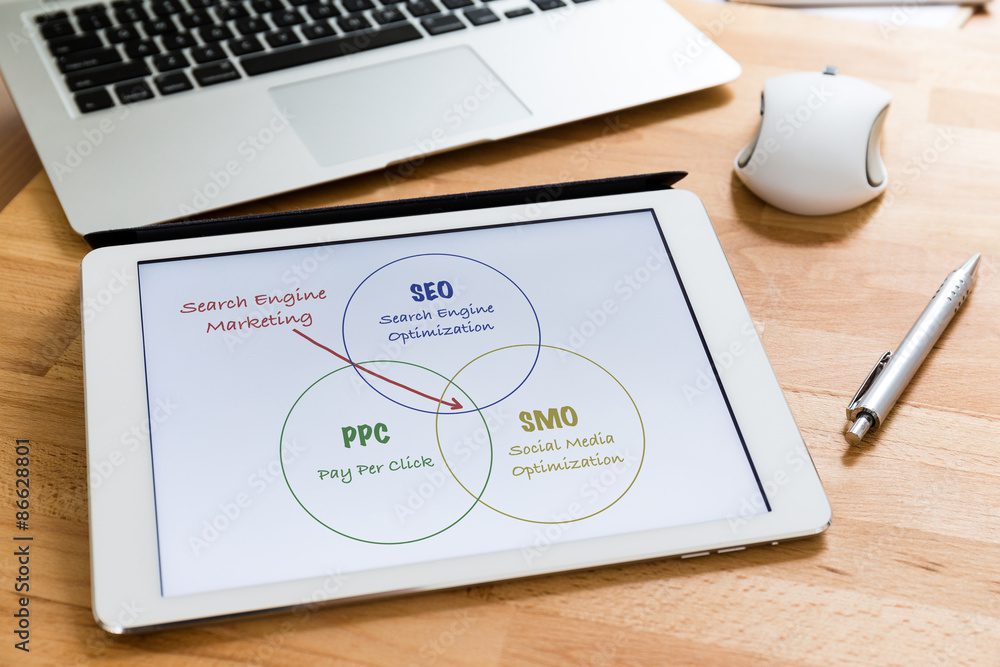
Businesses usually treat SEO and PPC as separate budgets because the channels are reported through separate platforms. Coalition Technologies sees a stronger path: use paid search to quickly test demand, then use SEO to compound the strongest findings into durable organic visibility. Google keeps paid search and organic ranking systems separate, which means ad spend does not buy organic rankings, but the data from both channels gives marketers a sharper view of what searchers want.1
“NHV Natural Pet Products is a global retailer selling holistic pet products. Partnering with Coalition helped them grow revenue year-on-year by over 64%,” said Jordan Brannon. “They also showed a 25+% improvement in return on ad spend, a 58+% improvement in clicks, and a 32% drop in cost-per-click.”2
SEO and PPC strategies should be built around measurable movement. Rankings, clicks, and impressions are useful signals, but revenue growth, ROAS (return on ad spend), CPC (cost per click), leads, and transactions show whether a search program is actually working.
Table of Contents
- 1 Frequently Asked Questions About SEO and PPC
- 2 Start With One Search Intent Map
- 3 Use Paid Search To Test Organic Assumptions
- 4 Build Landing Pages for Both Click Speed and Search Depth
- 5 Use SEO To Reduce Dependence on Paid Clicks
- 6 Report On Business Outcomes, Not Channel Ownership
- 7 Prepare Search Programs For AI and New Ad Surfaces
- 8 Make SEO and PPC a Shared Growth System
- 9 Sources
Frequently Asked Questions About SEO and PPC
What Is the Difference Between SEO and PPC?
Top agencies, like Coalition Technologies, define SEO as the work of making a website clear enough for search engines to evaluate and useful enough for the right buyers to trust. The technical side provides search engines with a clear path through the site. The content side explains what each page is about, why the business deserves visibility, and what the visitor should understand before taking the next step. PPC is paid advertising that places ads in front of selected audiences and search queries through auction-based platforms.
How Do SEO and PPC Work Together?
SEO and PPC work best together when both teams are trying to answer the same business question: which searches drive buyers ready to take action? Paid campaigns reveal that pattern quickly because clicks, costs, and conversions show up early. SEO gives the business a way to turn the strongest patterns into pages that continue to earn visibility over time. Coalition Technologies connects the two, so each channel is not optimizing in isolation or chasing a different definition of success. Coalition Technologies uses paid search data to identify high-value terms, then uses SEO to build stronger long-term visibility for the same demand.
Should a Business Start With SEO Or PPC?
Coalition Technologies recommends PPC first when the business needs faster market feedback or does not yet have enough organic visibility to support growth on its own. SEO becomes a stronger starting point when a website already has enough search visibility to build from. If the site is earning impressions, ranking near page one, or driving organic traffic that nearly converts, Coalition Technologies can usually add more value by improving the pages already showing momentum. That work gives the business a more durable source of qualified traffic because each improvement has time to compound rather than disappear when an ad campaign pauses. PPC produces faster test data, while SEO builds a stronger asset when the business has enough runway to invest in compounding traffic.
Start With One Search Intent Map
The best SEO and PPC strategies start with a clear read on what the searcher is trying to accomplish. Coalition Technologies assesses whether a keyword signals early research, active comparison, or purchase intent, and then decides whether the query needs an ad, an organic page, or both. A term with strong revenue potential should not be pushed into a generic landing page just because it has search volume. The page should recognize why the visitor searched in the first place. Someone comparing vendors needs proof, pricing context, and differentiation before a form makes sense. Someone searching with purchase intent needs a faster route to the offer, the service details, and the next step. Coalition Technologies builds the page around that difference so the copy does not force every visitor through the same generic path. A keyword with strong informational volume may belong in a blog or guide, while a high-intent service query may deserve both a paid ad group and a dedicated conversion page.
Shared intent mapping also prevents channel conflict. A paid team may see a keyword with expensive clicks and weak conversion rates, while an SEO team may see the same query as an opportunity for a comparison page or FAQ resource. Combining those views yields a better decision: cut waste, rewrite the landing page, change the offer, or build supporting content through content marketing.
Use Paid Search To Test Organic Assumptions
Coalition Technologies uses pay-per-click campaigns to learn which messages elicit a response before a longer SEO timeline plays out. Searchers vote quickly in paid campaigns: they click one promise, ignore another, convert on one page, or abandon a different offer before the form. Coalition Technologies uses those signals to refine the page strategy, so the SEO work is built around real buyer behavior rather than assumptions based solely on search volume.
A good PPC and SEO strategy does not copy ad copy into an organic page and call the work complete. Paid campaigns reveal which promises earn clicks and which pages convert visitors into leads or sales. The SEO team then turns those lessons into titles, headings, comparison tables, FAQ answers, and service copy through website SEO copywriting.
Google’s guidance also reinforces the value of helpful, reliable content created for people first.3 Paid search can identify the questions buyers already ask. SEO turns the best answers into assets that keep earning visibility after the daily media spend stops.
Build Landing Pages for Both Click Speed and Search Depth
Many SEO and PPC campaigns lose momentum when the landing page is built for only one channel. A paid search page may move quickly but lack the depth needed to earn organic visibility. An SEO page may explain the topic well but delay the offer, hide the proof, or make the visitor work too hard before taking action.
Coalition Technologies builds landing pages around the job the page has to do in search. A visitor arriving from a high-intent ad needs a fast answer that confirms the service, explains the offer, and provides enough evidence to justify the next click. A visitor coming from organic search may need more context before converting, especially when the query signals research, comparison, or early-stage planning.
The strongest page structure accounts for both behaviors without compromising the copy. The top of the page should make the value clear quickly, while the rest of the page should give search engines and buyers enough substance to understand the service. Definitions, related questions, internal links, examples, and proof points add organic depth to the page, while focused CTA placement keeps the conversion path visible.
Strong web design keeps that depth from feeling heavy. Coalition Technologies uses layout, hierarchy, spacing, and section flow to make technical content easier to scan, so visitors can move from the search query to the next step without losing the context that made the page worth visiting.
Turn organic and paid media into one revenue engine.
Use SEO To Reduce Dependence on Paid Clicks
SEO and PPC strategies should not rely on paid media to drive every high-intent search forever. Paid search gives control, but costs rise when competitors bid aggressively or conversion rates slip. SEO gives the business more ways to earn qualified traffic without paying for every click.
Coalition Technologies uses search engine optimization to build topic depth around the same queries, which prove profitable in Google Ads. For a lead generation company, the priority is usually a cleaner path from search query to qualified inquiry. The site needs pages that match the services people are searching for, local content when geography affects buying intent, and comparison copy that helps prospects understand why Coalition Technologies is the stronger choice before they fill out a form.
For an Ecommerce brand, the work usually starts closer to the product and category experience. Coalition Technologies assesses whether shoppers can find the right products, quickly understand the value, trust the page enough to buy, and navigate the site without technical friction. Strong Ecommerce SEO connects those improvements across category copy, product content, site structure, reviews, and internal links so organic traffic has a clearer route to revenue.
Report On Business Outcomes, Not Channel Ownership
A mature SEO and paid search program should show how buyers actually move before they convert. Someone may first arrive through a paid ad, return later through an organic article, compare the company against another option, and submit a form after searching the brand by name. Coalition Technologies reports on that full path so the business can see which channel created the opportunity, which page kept the buyer engaged, and which touchpoint finally turned the visit into a qualified lead or sale.
One visitor may click a paid ad, leave, compare options, return through an organic article, and submit a form through a branded search. The report should explain the path instead of assigning all value to the final click. Coalition Technologies integrates lead-generation SEO, paid search, analytics, and CRO (conversion rate optimization) so the business can invest in a mix that produces a qualified pipeline.
Enterprise reporting needs a stricter standard because more people influence the sale before revenue appears. A paid ad may start the conversation, an organic page may answer the technical questions, and a later sales touchpoint may close the account weeks or months later. Coalition Technologies uses enterprise advertising reporting to separate real growth signals from attribution noise, so leadership can see which investments are creating qualified opportunities and which spend needs to be cut or redirected.
Prepare Search Programs For AI and New Ad Surfaces
SEO and PPC strategies now extend beyond classic blue links and text ads. AI search and new ad placements need enough information to understand why a brand belongs in an answer or recommendation. Coalition Technologies strengthens that signal by making the brand’s services, proof, and positioning consistent across the site and the sources search systems are likely to read. The page also has to be ready for the visitor after the click or mention, because visibility has little value if the offer is unclear or the conversion path slows the buyer down.
Coalition Technologies treats AI SEO as an extension of search visibility rather than a replacement for traditional SEO. Emerging paid channels, such as ChatGPT ads, need the same level of accountability as Google Ads or paid social. Coalition Technologies first looks for evidence that the audience is using the channel in a way that supports the business goal. From there, the campaign has to prove which prompts, placements, messages, and landing pages are producing qualified traffic rather than curiosity clicks. Spend should only scale when the channel shows a clear connection to leads, transactions, or revenue.
The practical work is not glamorous. Search systems get a stronger read on a page when the technical and editorial signals all point in the same direction. Tracking has to show what visitors did after they arrived. Page speed has to keep those visitors from leaving before the offer loads. Internal links have to make the relationship between pages clear, while the copy has to answer the query with enough substance to earn trust. Coalition Technologies keeps those fundamentals connected because durable performance comes from a site that is easier to crawl, easier to understand, and easier for buyers to act on.
The right SEO and PPC strategies give every search channel a job. PPC tests demand and control visibility when speed is required. SEO turns paid search findings into long-term search assets. When PPC shows that a query attracts qualified buyers, Coalition Technologies can build organic content around that demand, so the business is not forced to keep buying with every visit. Over time, the site earns more of that traffic through rankings, stronger topical authority, and pages that continue working after the ad budget pauses or shifts to a new priority.
Coalition Technologies builds SEO and PPC campaigns for companies that need search to deliver measurable business outcomes, not scattered channel reports. The combined system improves more quickly when the SEO and paid media teams learn from the same evidence. If paid search shows that one query converts but another only attracts low-intent clicks, the SEO strategy should reflect that difference before new content gets built. If an organic page brings in qualified visitors but has weak form submissions, the paid team should consider whether the issue is the offer or the page experience, not the audience. Coalition Technologies connects those findings so that each month’s data informs the next month’s strategy, rather than sitting in separate channel reports.
Contact Coalition Technologies to align Google Ads management, SEO, content, analytics, and conversion strategy into one accountable growth program.