Rundown
- Conversion Rate Optimization (CRO) is a process to lift the share of visitors who complete key actions on the site.
- The goal of a conversion rate optimization strategy is to increase revenue and ROI from existing traffic.
- SEO and PPC drive visibility, but only a strong conversion rate optimization strategy turns that traffic into measurable ROI.
- Improve site speed, simplify navigation, and clarify copy while prioritizing mobile-first UX and sub-3s LCP (Largest Contentful Paint) on top revenue pages to reduce bounce and improve ad efficiency.
- Small conversion lifts of about 1% can add thousands in revenue without more ad spend.
- Track macro and micro conversions (returning user, form, and CTA rates) and engagement signals such as bounce rate, user paths, click depth, scroll depth, and in-page CTR.
- Use persuasive elements such as a clear value proposition, visible trust signals, and outcome-focused CTAs, and personalize by device and by new versus returning users to reduce friction.
- Run A/B tests on headline, hero, and primary CTA copy and placement, then review results weekly, ship winners, and audit monthly with quick user feedback.
The reality of running marketing campaigns is that you can double your clicks and still see no rise in sales after spending months optimizing your SEO and PPC campaigns. This happens if your conversion rate optimization strategy isn’t good enough.
This is why conversion rate optimization (CRO) is very important. Without it, what you’re doing is essentially bringing people through the door but having no idea what to do with them once they arrive.
The opportunity, and really, the importance of CRO, is to turn all that marketing momentum into tangible results. When done right, it converts interest into outcome and ensures that your marketing spend produces actual business outcomes.
Here is where we will provide a detailed discussion on how you can go about building a conversion rate optimization strategy to make your traffic really valuable.
Table of Contents
Understanding CRO
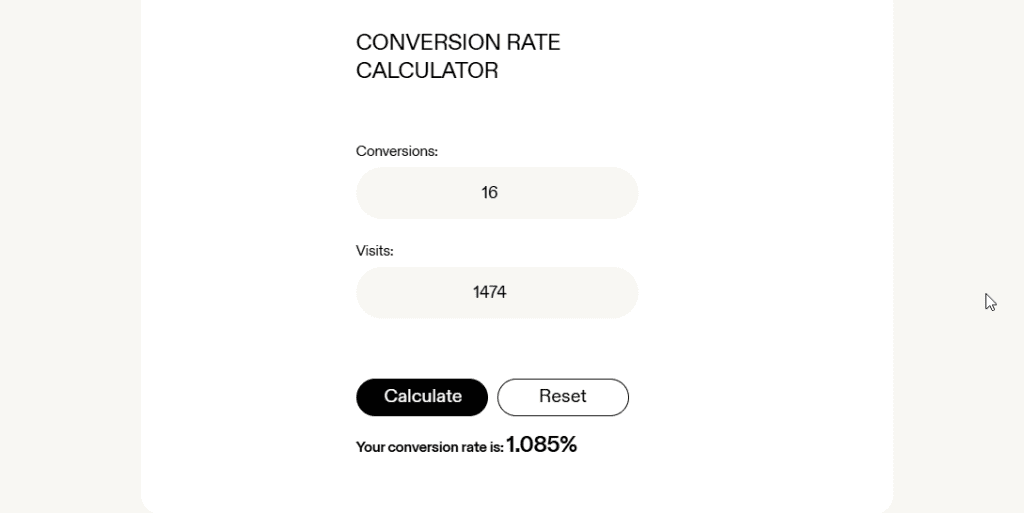
Some people think that CRO is a one-time task. No. It’s really an ongoing process of understanding how visitors interact with your site. You then use that information to optimize your site so that their interactions are better.
The goal for CRO is to work to improve the percentage of visitors who complete a conversion, meaning getting high-quality (highly targeted) form submissions and actions that lead to decisions such as purchases and sign-ups.
It doesn’t matter that you’re getting so many clicks if those visitors aren’t performing any useful action. In fact, if you’re spending money on ads, this hurts your wallet as well as your authority on Google.
Your teams can rely on data and testing to develop an effective conversion rate optimization strategy that delivers a high return on investment.
Essential CRO Metrics
The first thing you get from conversion rate optimization, and hence why it is important, is being able to see where users lose interest and what content or pages keep them engaged. It’s the numbers that tell the story of your traffic and what those visitors do once they get to your site.
If you really want to understand the importance of CRO, you have to look at the numbers behind those actions. Some of these include:
Conversion Rate
When building a conversion rate optimization strategy, this number will show you how many visitors actually perform some meaningful action, like making a purchase or signing up for whatever is at the end of your sales funnel.
Say you’re running a few ad campaigns and you manage to bump your conversions by just one percent. This could mean thousands added in revenue without raising your ad spend. You can see that having a good strategy turns even seemingly small improvements into big returns.
Bounce Rate
This is how you know the number of users who leave your site after viewing it only once. In your conversion rate optimization strategy, you really want this number to be as low as possible.
Having a high bounce rate basically means that people aren’t finding what they expected, or your page is taking too long to load. Every person who bounces costs you in ad spend and relevance in the search results.
Click-Through Rate
We should also not underestimate the value of clicks. Why is this important in conversion rate optimization? Well, because of all the people who see your ad or post in the search results, these will be the people who click the links on the landing page to view your offer or post.
If people see your landing page but don’t click any links on it, that’s a sign that something isn’t clicking for them either. Maybe the words feel off or the image doesn’t grab their attention. A good conversion rate optimization strategy digs into that and helps you figure out what needs changing.
Ready to get started with conversion rate optimization?
FAQs
Can you briefly explain the importance of CRO?
Traffic without conversions doesn’t pay the bills. You can pour money into ads or spend months ranking on Google, but if nobody fills out a form or takes meaningful actions on your site, you’re just buying visitors, not customers. CRO strategies help you fill that gap.
Do SEO and PPC already cover what CRO does?
Not really. SEO and PPC mostly get people to show up. A conversion rate optimization strategy is what shows them what to do once they’re on the page.
When do you know that your CRO strategy is working?
When you begin seeing a rise in conversions and a drop in bounce rates, that’s when you know that your strategy is working. It’s rarely overnight. You keep adjusting until it feels right, then you move to the next week spot.
Can CRO improve mobile conversions separately from desktop?
It should, and this is why conversion rate optimization is important. Mobile behavior is different. From thumb zones to attention spans, the habits vary. A conversion rate optimization strategy that involves testing mobile layouts separately often reveals insights you’d never catch on desktop analytics.
CRO Strategies to Implement
Having understood the importance of CRO, here are some practical things to consider.
User Experience Optimization
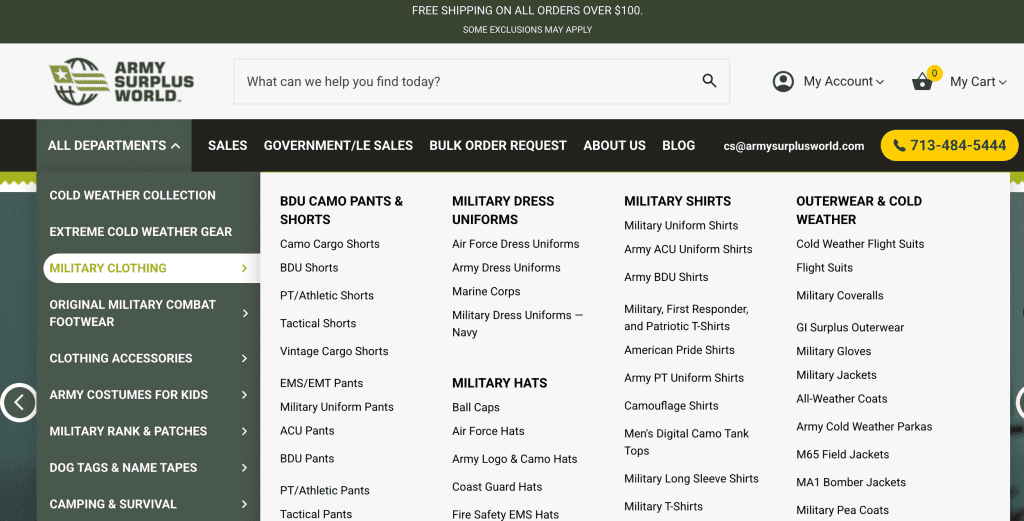
If someone is going to visit your site, make sure they have the smoothest experience possible so that they don’t leave before seeing your offer.
To do this:
- Begin by simplifying the navigation intuitively so that people find what they need fast.
- Make sure your pages load in under 3 seconds, since those that don’t load in that timeframe have a bounce rate of over 32%1.
- Ensure your site is responsive on mobile devices, as well as for desktop users.
Key details like clean layouts, readable fonts, easy-to-scan copy, and responsive designs are an extremely important part of a conversion rate optimization strategy, so don’t treat them as “nice-to-haves.”
Persuasive Design and Copy
At Coalition Technologies, we’ve taken on the role of offering web design services alongside our SEO strategies because we know how important it is to have design and copy work together to guide attention and reduce hesitation.
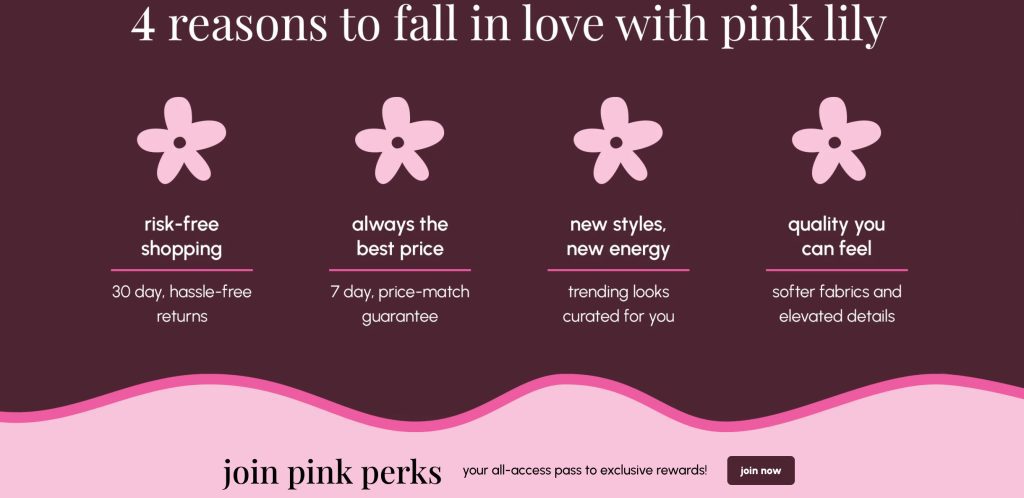
You can have a site that runs smoothly, but then end up losing a sale because of poor messaging. 90% of people will leave a page they don’t trust 2.
To avoid this, your conversion rate optimization strategy must include key elements, including:
- Clear value propositions
- Compelling CTAs
- Real reviews
- Trust and security badges
- Recognizable logos
- Grammatically correct sentences and spellings
- Genuinely helpful content, and so on.
A/B Testing and Personalization
Another reason why conversion rate optimization is important is that, along the way, you’re going to have more than one idea you think might equally have a good chance of working out.
You don’t need to flip a coin and hope for the best. This is where the importance of a CRO strategy comes in if you know what you’re doing.
You can compare two or more versions of a landing page, headline, ad, or any piece of content to see which one works better for you. From there, you can further tailor those assets based on user behavior and demographics that drive results.
A conversion rate optimization strategy that involves these kinds of experiments has a 49% faster growth in conversions than one that doesn’t 3.
Getting Started With Conversion Rate Optimization
The work that goes into creating effective CRO strategies never ends, but it is equally rewarding when done right. You don’t want to waste your time and money running campaigns or trying to rank your sites in Google or AI search without these strategies.
That’s why Coalition Technologies gets the results you need to turn your site visitors into loyal customers. When it comes to creating a conversion rate optimization strategy, the goal is to better position your offer to your potential clients and guide them to it.
From our web design services to our SEO strategies and Paid Advertising, we will help you align your site and marketing campaigns with the latest best practices that keep you several steps ahead of the competition.
If you’re ready to get started, call us for a free quote.