The Rundown
- Ecommerce growth depends on visibility, yet rising ad costs have forced brands to ask a more complex question: which channel delivers it best?
- Paid search captures existing demand by reaching shoppers with high intent who are ready to act.
- Paid social creates demand earlier in the buying journey by influencing discovery, emotion, and brand awareness.
- The key difference between paid search and paid social lies in user intent. Search converts intent, social helps create it.
- Most brands get the best results when paid search and paid social support each other rather than operate in isolation.
- Search performance depends on structure, keywords, and timing, while social performance depends on creative, reach, and audience building.
- When coordinated, they form a closed loop in which awareness leads to action, data informs the creative, and conversions reinforce demand.
Table of Contents
What is Paid Search?
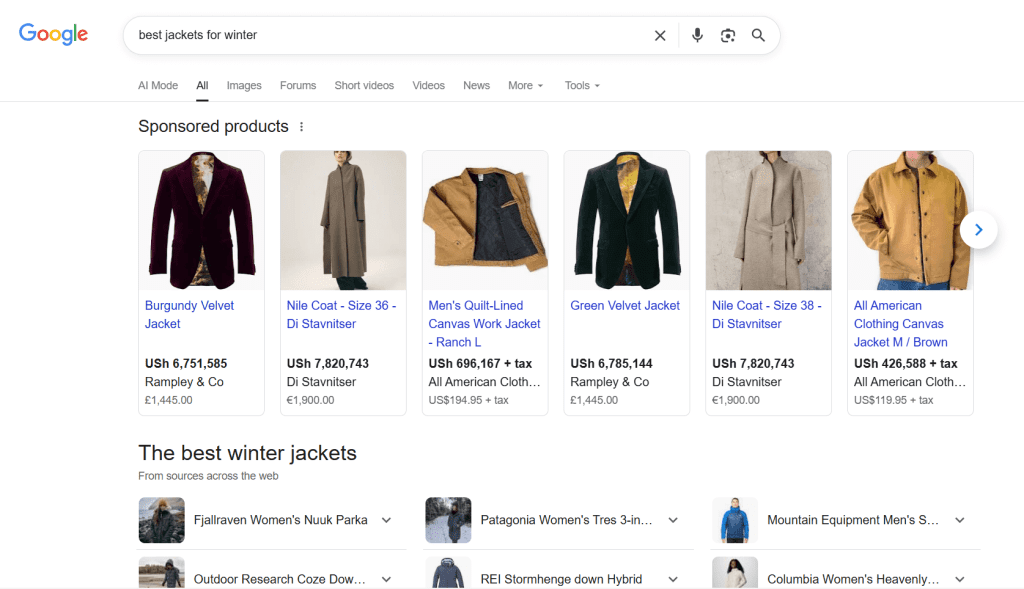
In ecommerce, “paid search” refers to ads that appear when a shopper is actively searching for a product on a search engine like Google or on Amazon.
With paid search, the advantage is timing. Search ads show up when a customer is closest to conversion. If someone types “buy running shoes online,” they’re already prepared to act. Paid search allows your product to meet intent directly.
Despite increasing competition, the ROI potential remains high because search is rooted in apparent demand. Some marketers have seen their CPCs rise by about 45% across ecommerce categories since 20241, making careful targeting and product feed optimization important.
What is Paid Social?
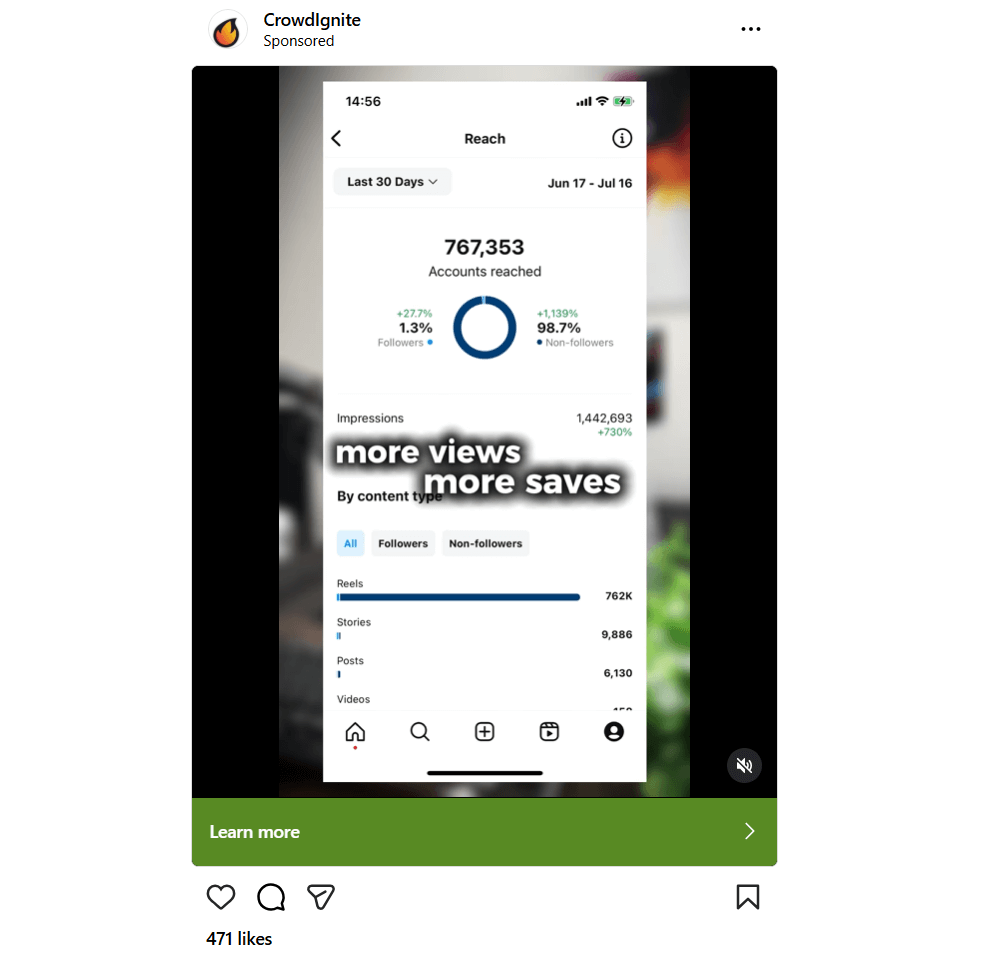
In the discussion between paid search vs paid social, you might think that paid social’s conversions aren’t as good as search, but that’s not the case.
“Paid social” refers to ads appearing in feeds on platforms like Meta, Instagram, TikTok, and X, where users aren’t searching but can be influenced by what they see.
The core distinction between paid social and paid search comes down to intent.
- Search meets users mid-decision, often near checkout.
- Social meets them mid-scroll, often before they realize they want something.
In the paid search vs paid social discussion, “paid social” shines in the early stages of the customer journey. It plants the idea, drives curiosity, and builds audiences for remarketing.
Comparing Paid Search and Paid Social
| Category | Paid Search | Paid Social |
| User Intent | High: captures existing demand | Low to medium: creates demand |
| Audience Targeting | Based on keywords and queries | Based on interests and behaviors. |
| Ad Formats | Text, Shopping, or PMAX assets. | Image, video, carousel, stories |
| Attribution | Easier to track direct conversions. | Stronger at multi-touch influence |
| Cost Trends | Rising CPCs | CPMs fluctuate by season and vertical. |
| Creative Role | Minor; ad copy and feeds matter most | Major: visuals drive engagements |
| Speed of Results | Immediate | Gradual but scalable |
When comparing paid search vs. paid social, the table above shows that neither format replaces the other. They complement each other in different phases of the buying journey. Paid search helps buyers act, while paid social helps them decide.
To further understand the difference between paid social and paid search, let’s look at where both work best.
Paid Search Vs Paid Social: Where Each Works Best
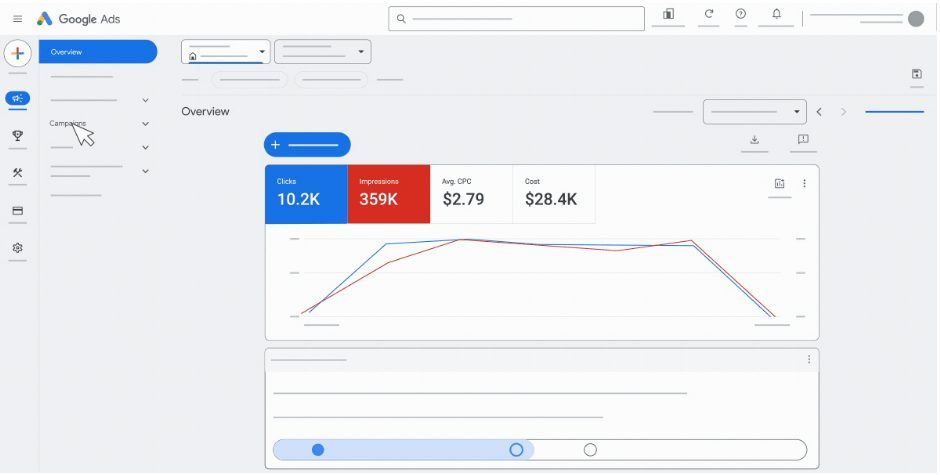
Paid Search
Paid search performs best when demand already exists and timing matters most.
- Your product solves a specific problem (e.g., “replacement water filters”).
- You have strong keyword data and structured product feeds.
- You want measurable ROI and predictable demand capture.
Structured campaigns (with branded, non-brand, and competitor keywords) still outperform automated PMAX-only setups for ecommerce. They protect brand equity and give advertisers control over spend distribution.
Because search focuses on immediate intent, it suits established brands or those selling necessity products with repeat purchase potential.
Paid Social
Paid social is most effective earlier in the buying journey, and when emotion is the driving factor behind a conversion. For instance, when you see a beautiful piece of clothing on social media and decide to buy it.
- Visuals and storytelling influence users before intent is formed.
- Audiences are built through interests, behaviors, and engagement.
- Creative performance plays a larger role than keyword precision.
A brand introducing a new product line can use Reels or TikTok to reach new audiences, then retarget those who watched or engaged. Those same users later convert through paid search once curiosity turns to user intent.
Social also fuels the top of the funnel. It keeps awareness alive during the off-seasons, when search demand drops. That early exposure often translates into higher conversion rates during peak shopping periods.
While paid search vs paid social is often framed as a competition, in practice they complement each other. Many brands see their highest-converting search clicks come from users first introduced through paid social, even when attribution fails to show that connection. This typically means using paid social to create demand and remarketing audiences, then allocating search budget toward branded and high-intent non-brand queries to capture that demand efficiently.
Beyond Paid Search Vs Paid Social: Why Brands Should Combine Both
The reality is that over 60% of shoppers go online first before any shopping occasion.2 Therefore, you shouldn’t be trying to pick one over the other, but a combination of both paid search and paid social will give you the visibility you need to get better conversion rates. Here is why.
The strongest ecommerce strategies connect the dots between discovery and intent. A user may first see a video on Instagram, then a week later search for the exact product on Google. Without both channels active, that path breaks.
When social ads are running steadily, branded search clicks tend to rise soon after. This lift isn’t always dramatic, but it shows how awareness built on one platform often turns into intent on another. That’s why it isn’t about paid search vs. paid social; it is about combining both to give you a competitive edge.
Use paid search and paid social together. Let our team show you how.
Frequently Asked Questions
Paid social usually wins for awareness and building early audiences. Paid search becomes stronger once customers begin actively searching for your brand or products.
Yes. But success depends heavily on creative quality and the clarity of your offer. Therefore, use video testimonials, lifestyle visuals, and retargeting to help convert the views into purchases.
Why not focus on paid search if ROI is higher?
In the paid search vs. paid social discussion, both options serve different roles. Search captures demand that already exists while social builds interest. Without social, you’ll eventually run out of queries to target.
How do you measure both together?
At Coalition Technologies, we use blended metrics such as the Marketing Efficiency ratio and the overall cost per acquisition. Do not use siloed platform ROAS.
Work With Us
What we are talking about here isn’t theoretical, and we aren’t giving you what only works for our clients and us. At least one study found that paid search and social ads together increase sales.3 Therefore, your debate shouldn’t be about paid search vs. paid social. You should figure out how to use both.
At Coalition Technologies, that’s what we do for our clients. As part of our services, we help Ecommerce brands connect these systems to create more stable growth and smoother performance curves. We can help you balance both channels as CPCs rise and algorithm targeting improves.
If you want expert help designing that balance in 2026, contact us today.