



The Rundown
- The distinction between traditional SEO vs. AI SEO is often overstated. Both methodologies share more commonalities than differences.
- SEO and AI SEO work together to increase visibility, trust, citations, recommendations, and conversions.
- Strong search rankings help LLMs evaluate which websites and brands are credible enough to cite or recommend.
- Structured pages, clear headings, FAQs, and conversational answer blocks help search engines and LLMs understand content.
- E-E-A-T supports both traditional SEO and AI SEO because both rely on authority, credibility, and trust signals.
- Traditional SEO focuses on SERP rankings, while GEO focuses on citations, recommendations, and visibility within AI-generated answers.
- GEO also relies on longer-form conversational queries, structured answers, reviews, reputation signals, and third-party mentions.
- Businesses should optimize SEO and GEO together because AI search visibility builds on many of the same foundations as traditional SEO.
A Brief Note on Terminology: The following terms (and others) are used interchangeably.
- GEO (Generative Engine Optimization)
- AI SEO (Artificial Intelligence Search Engine Optimization)
- LLM SEO (Large Language Model Search Engine Optimization)
- AEO (Answer Engine Optimization)
Overall, they mean the same thing: optimizing for AI.
Learn more here: Marketing Within AIs. What Is It Called?
SEO and GEO can be viewed as separate things, but the truth is that they’re two cylinders in the same engine. While the two share more commonalities than differences, a closer look at traditional SEO vs. AI SEO does reveal unique attributes.
SEO and AI SEO playbooks are both evolving, but both are highly relevant and will continue to be crucial for the foreseeable future.
- Google gets 5 trillion searches annually.1 For perspective, that’s nearly 160,000 Google searches every second.
- Experts are predicting that AI search traffic could surpass traditional search traffic by 2028.2
Traditional search engine optimization is not only still foundational and relevant, but necessary. In fact, it’s a core component of AI SEO. Heads and tails are distinct sides, but both are necessary to spend the coin.
SEO and GEO aren’t static. Both methodologies are constantly maturing and feeding off each other. A holistic approach is the key to producing short-term gains and long-term authority.
With over 725 combined years of web experience, Coalition Technologies was on the frontlines of the SEO revolution on day one. AI SEO is simply the logical extension of what we’ve been doing for decades.
In this guide, we’re going to compare traditional SEO vs. AI SEO and share insights we’ve already gained in these early days.
Table of Contents
Why & How SEO and GEO Are Directly Connected
Here’s what you need to know about the interconnected relationship between SEO and AI SEO.
Top-Ranking Sites Take Priority
Today’s sophisticated LLMs don’t merely crawl the web; they actively analyze and evaluate it. If a website doesn’t pass the sniff test, it’s highly unlikely that Google AI Overviews, ChatGPT,
Perplexity, or any other AI-powered platform will recommend it.
LLMs focus heavily on a website’s position on SERPs. It’s not a coincidence that sites that get citations and recommendations from LLMs almost always appear on the first page of Google. SEO sets the foundation for growth within LLMs.
Well-Structured Pages Are Vital
SEO and GEO both rely on structured content and data to promote a website’s visibility. Before the rise of LLMs, proper structure helped search engine crawlers to recognize the hierarchy of a site’s content.
Today’s LLMs also rely on structure when performing fan-out queries to provide rapid, conversational answers to their users’ questions. That’s why FAQs and step-by-step guides are becoming increasingly prevalent; they feed information directly to LLMs.
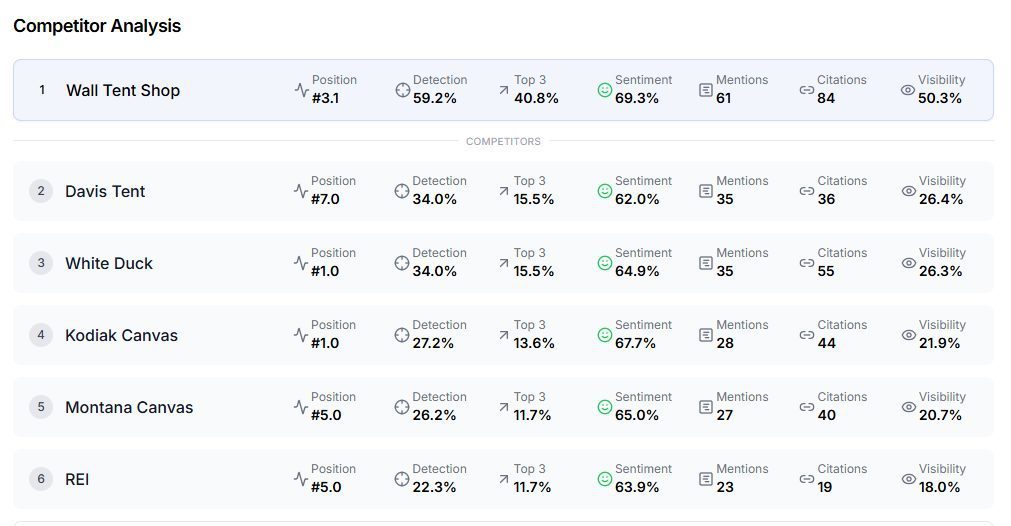
For example, during our AI SEO campaign for Wall Tent Shop, we populated the site with a significant amount of structured content that uses natural conversational language similar to how users ask questions on LLM platforms.
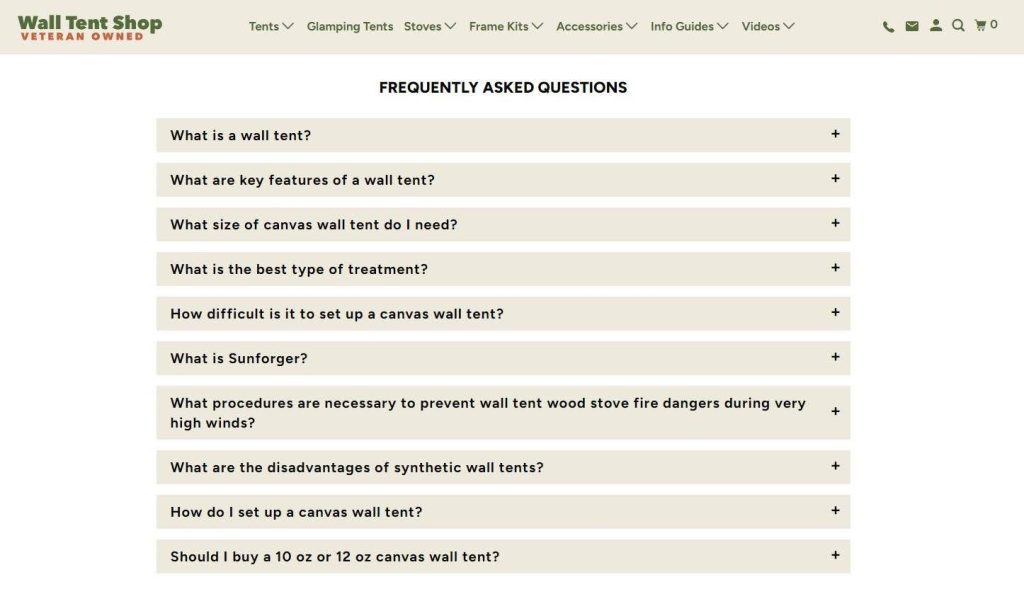
By combining traditional SEO and GEO conversational techniques, we were able to substantially boost Wall Tent Shop’s presence on LLMs and grow overall conversions by 273.6%.
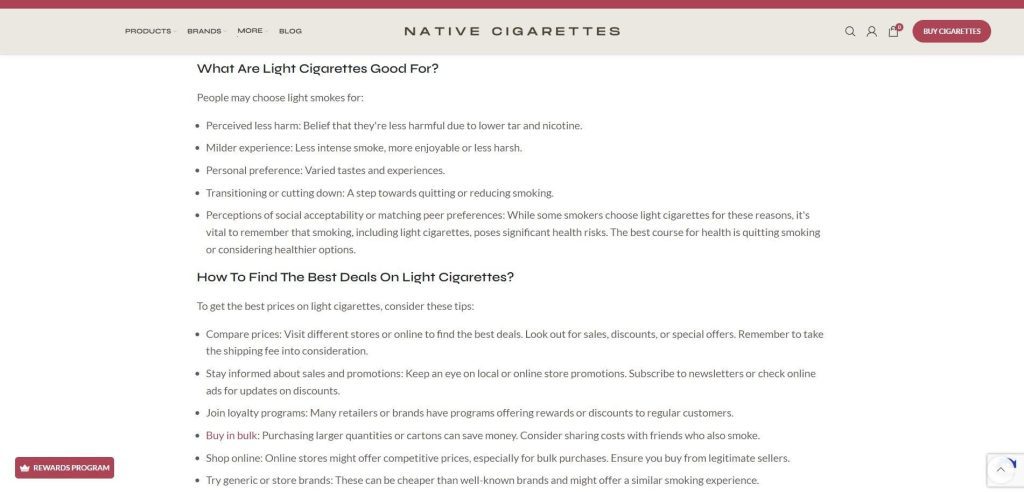
Here’s another example of what structured, conversational content that mirrors how LLM users ask questions can look like:
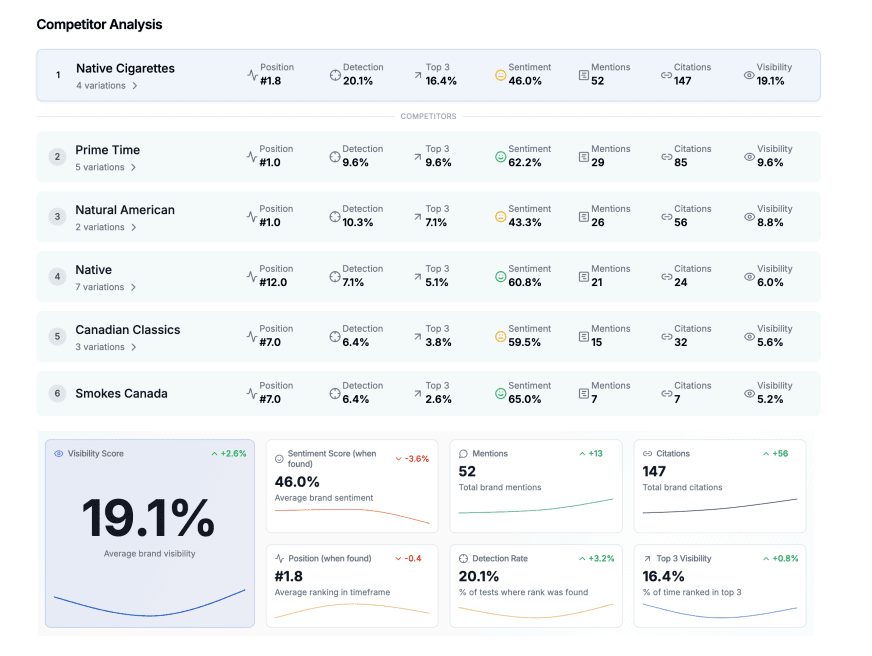
Our approach to SEO and AI SEO gave Native Cigarettes a major boost in AI-driven searches.
The Fundamental E-E-A-T Foundation
When comparing traditional SEO vs. AI SEO, keep in mind that the E-E-A-T framework isn’t exclusive to traditional search or LLM platforms.
E-E-A-T has gained a lot of attention recently, but experienced SEO specialists have been following the formula for years.
SEO and GEO both involve establishing credibility with the digital tastemakers. A rock-solid E-E-A-T foundation signals leadership and trust to LLMs. On the other hand, masquerading as an authority without the preliminary credentials can do more harm than good.
For example, many of today’s black hat SEO charlatans will populate a website with thousands of pages of AI-written content in a desperate attempt to fool LLMs into thinking such a robust website must be credible. Spoiler alert: It doesn’t work. Even LLMs hate AI slop!
Is your site falling behind in SERPs or LLMs? We’ll help with both.
Frequently Asked Questions
How SEO and GEO Approaches Differ
Let’s wrap things up by exploring some key differences between traditional SEO vs. AI SEO.
Goal
- Traditional SEO aims to help websites climb to the top of SERPs.
- GEO performance is based on building trust and achieving citations, recommendations, and a strong overall presence within AI platforms.
Keywords
- Traditional SEO typically targets shorter-form keywords to replicate what a user would type into a search bar.
- GEO typically targets longer-form, conversational keywords that replicate what a user would ask an AI.
Content Formatting
- Traditional SEO often focuses more heavily on keyword placement and article length to signal authority and improve ranking, but both SEO and GEO aim to establish credibility in general.
- GEO often focuses more heavily on conversational blocks with succinct information that LLMs can extract quickly and easily, often in the form of FAQs and step-by-step guides.
Link Building
- Traditional SEO focuses on building backlinks from high-authority, highly relevant websites.
- GEO often involves reputation management across channels like reviews, forums, and publications.
Partner With the World’s #1 SEO and AI SEO Experts
Now that you have a fundamental understanding of traditional SEO vs. AI SEO, we hope it’s abundantly clear that although the playbooks are evolving, both are necessary to stay competitive in today’s saturated digital landscape.
Coalition Technologies is the world’s best traditional SEO and GEO agency, as evidenced by 800+ case studies and 500+ glowing reviews. We don’t follow the trends; we set them. Schedule a free consultation now.
Sources:
- https://blog.google/products/ads-commerce/ai-personalization-and-the-future-of-shopping/ ↩︎
- https://www.semrush.com/blog/ai-search-seo-traffic-study/ ↩︎